

PersuasiveAI Futures is a research stream led by the Media & Culture Research Unit, exploring how AI’s influence unfolds in everyday life – for individuals, families, and society. We study how AI systems are increasingly becoming cultural mediators, shaping beliefs, attitudes, relationships, and behavior through persuasive and adaptive communication.
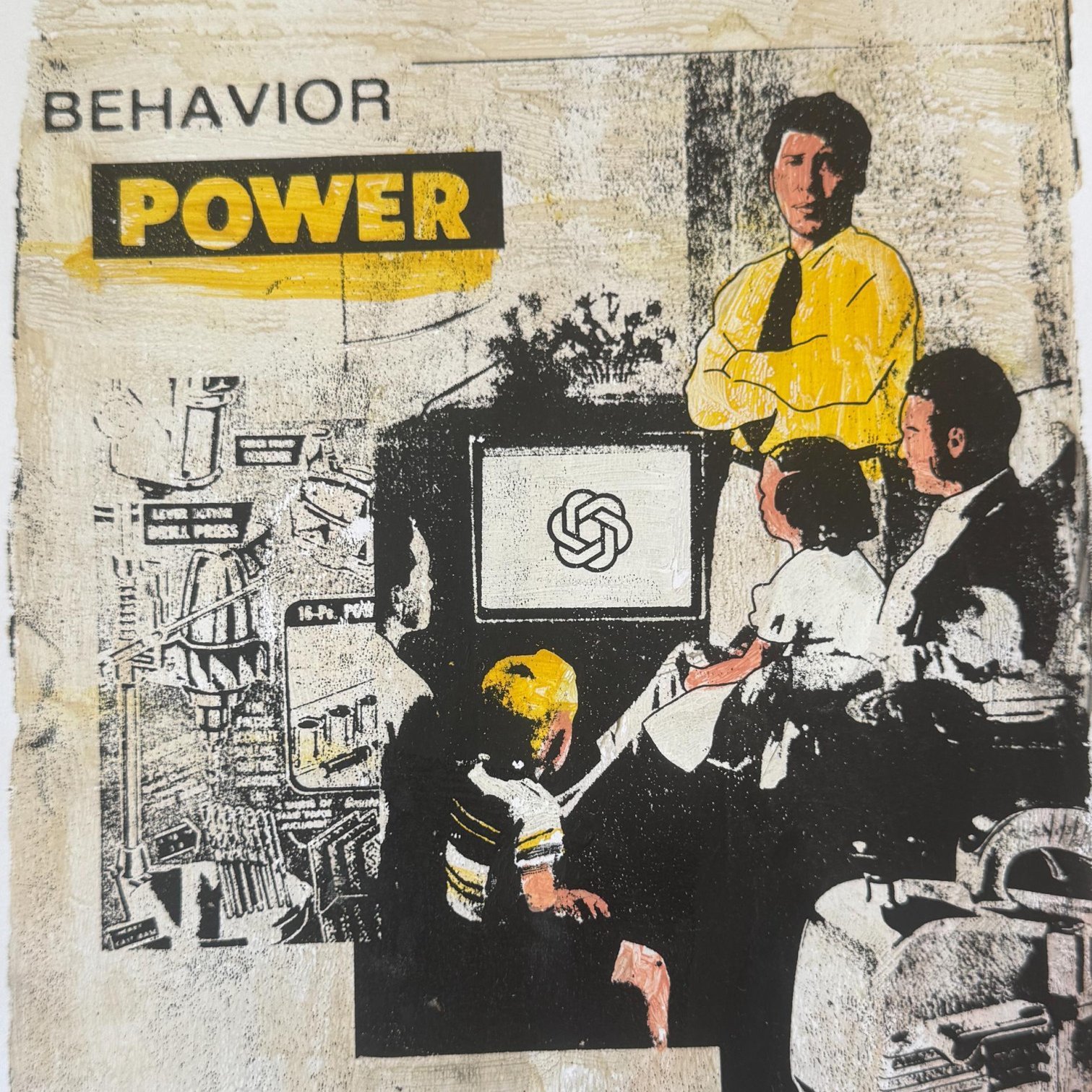
A growing body of research shows that persuasion is central to human–AI interaction. AI systems can foster emotional attachment and dependency, and in some cases contribute to distorted and delusional thinking. They can also amplify bias and misinformation by combining personalized content with warm, conversational language.
Much of the current debate, however, focuses on the risks of AI influence — data misuse, manipulation, and harm — or on how these technologies are designed. What is still missing is a close-up view of how people actually live with AI influence in everyday life: how they experience it, make sense of it, push back, adapt, and develop their own cultures of AI safety.
The Media & Culture Research Unit addresses this gap by bringing together two different disciplines and drawing from each of their individual strengths: communication studies scrutinizes how media and technology try to influence attitudes and behavior; anthropology focuses on real people, in their own lives and cultural contexts, and explores how technology is used, understood, and incorporated.
Together, these perspectives allow us to study AI persuasion not simply as a technological risk, but as a lived and negotiated social process — one that may shape how we relate to technology, to each other, and to society in the future.
We are interested in examining three different yet interconnected dimensions of AI influence in everyday life:
In September 2026, we launched our first project on AI influence in family life. Titled Persuasive Machines: Communicative AI, Adolescents and the Dynamics of AI Influence in Family Life, and funded by the Swiss National Science Foundation, the project is based on multi-sited ethnographic research with families with teenagers in Switzerland, Germany, France, and Italy, to understand how they experience, adapt to, and negotiate AI's influence in daily life (September 2026 – August 2030).
In Winter 2026, we will launch the PersuasiveAI Futures Network— a cross-disciplinary and international network bringing together researchers working across the different dimensions of AI influence, alongside policymakers, civil society, and industry. By connecting perspectives and expertise across fields and borders, the Network will advance our understanding of how AI persuasion unfolds in everyday life and help develop ways to anticipate, navigate, and address its challenges.